

Torque Wrenches
Define the torque settings, direction of use and tool configuration relevant to your tightening work.
Overview
Torque wrenches apply or indicate torque when tightening fasteners. Adjustable, indicating and electronic tools can present different measurement requirements. Identify the tool type, the units on its scale and the settings used in your own assembly or maintenance procedure.
Direction and accessories matter when describing the request. Clockwise and counterclockwise checks are distinct, while extensions or interchangeable fittings can affect the torque applied. If you need the tool’s condition recorded before adjustment, include that requirement when contacting RTS.
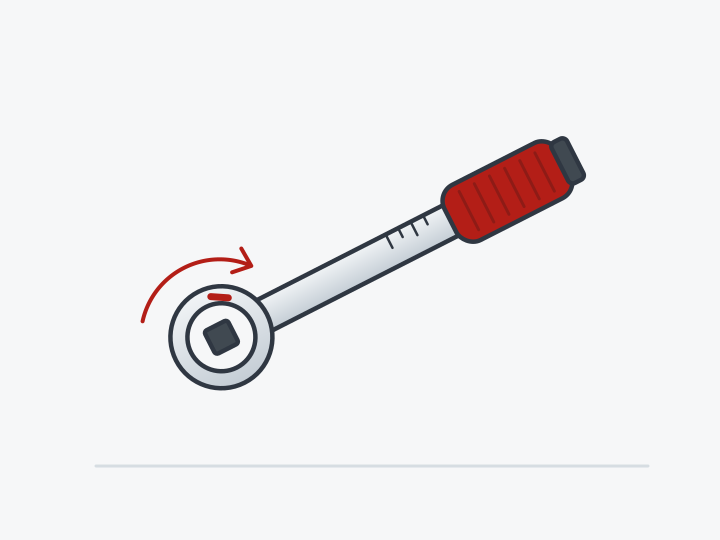
What to include in your enquiry
- Manufacturer, model, serial number, tool type and quantity.
- Marked torque range and the units actually used.
- Required settings or test points from your working procedure.
- Clockwise, counterclockwise or both directions required for your work.
- Drive size, interchangeable heads, extensions and normal operating configuration.
- Previous results, suspected overload or damage, and documentation requirements.
Confirm before booking
- Ask RTS to confirm the tool types, directions and requested points it can assess.
- Agree whether the received condition must be recorded and whether adjustment is part of the request.
- Confirm which accessories are needed and agree handling, location and schedule.
Common questions
- Why must I specify the direction of use?
- A result recorded in one direction does not describe checks in the other. State the direction or directions required by your procedure and confirm the agreed scope with RTS.
- Should I mention an extension or interchangeable head?
- Yes. Accessories can change the relationship between a wrench setting and applied torque. Describe the normal configuration and ask which components are needed before sending the tool.