
Pressure Gages
Identify the pressure reference, range, connection and process medium before agreeing the requested gauge checks.
Overview
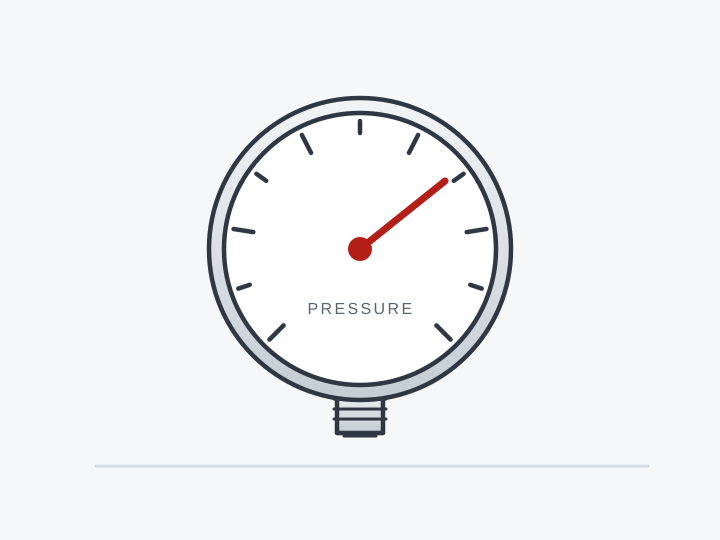
A pressure gauge indicates pressure against a reference. Gauge, absolute and differential pressure describe different measurements, even when the units are the same. Include the pressure type marked on the instrument alongside its range, model and intended measurement points.
The process fluid or gas, connection and previous use also matter. Mention attached seals or fittings and any contamination concerns. Agree the preparation and handling requirements with your site team and RTS before the instrument is removed or dispatched.
What to include in your enquiry
- Manufacturer, model, serial number, dial size and quantity.
- Gauge, absolute or differential pressure type as marked.
- Indicated range, units and the pressure points requested.
- Process connection, mounting arrangement and any seals or fittings.
- Process medium, prior use, contamination concerns and cleaning status.
- Equipment location, required report and applicable procedure or specification.
Confirm before booking
- Confirm that RTS can address the stated pressure type, range and connection arrangement.
- Agree safe preparation, cleaning and handling with the responsible site team before dispatch.
- Confirm the required record, service location and schedule before making arrangements.
Common questions
- How do gauge, absolute and differential pressure differ?
- Gauge pressure is referenced to surrounding atmospheric pressure. Absolute pressure uses a vacuum reference. Differential pressure is the difference between two pressures. Copy the instrument markings or provide its model details.
- Why does the fluid or gas need to be identified?
- The medium contacts parts of the instrument and affects compatibility and preparation. Describe prior use and any cleaning concerns so appropriate handling can be agreed before the gauge is sent.